How Dust and Allergens Build Up in Window Treatments
Local contractors specializing in dust and allergen window treatment cleaning can help remove buildup caused by everyday dust, pollen, pet dander, and other allergens that settle over time.
Understanding how dust and allergens build up in window treatments is an important step for property owners looking to maintain a healthy and clean environment. Over time, these particles can accumulate in fabric blinds, curtains, and other window coverings, potentially affecting indoor air quality and contributing to allergy symptoms. Exploring this topic can help property owners identify practical ways to reduce dust and allergens, especially in homes or businesses where occupants are sensitive or prone to respiratory issues.
For those in the area, connecting with experienced service providers who specialize in window treatment cleaning offers a convenient way to address these concerns. Local contractors can assess the specific types of window coverings present and recommend effective cleaning solutions to keep dust and allergens at bay. Keep reading to learn more about how dust and allergens build up in window treatments and discover how local pros can help maintain a healthier indoor space.
- Dust and allergen window treatment cleaning - is needed when residents notice increased allergy symptoms and want to reduce buildup on their window coverings, with local contractors using specialized cleaning methods.
- Dust and allergen window treatment cleaning - becomes necessary after prolonged periods of neglect or seasonal changes, as dust and allergens accumulate deep within fabric or blinds, with local pros offering thorough cleaning services.
- Dust and allergen window treatment cleaning - is recommended when dust and allergens cause visible dirt or musty odors, with local service providers using appropriate tools to remove trapped particles effectively.
- Dust and allergen window treatment cleaning - is sought by homeowners experiencing allergy flare-ups, as local contractors can help remove embedded dust and allergens from various window treatment materials.
- Dust and allergen window treatment cleaning - is essential when cleaning becomes difficult due to the buildup of dust and allergens, with local pros providing detailed cleaning to improve indoor air quality.

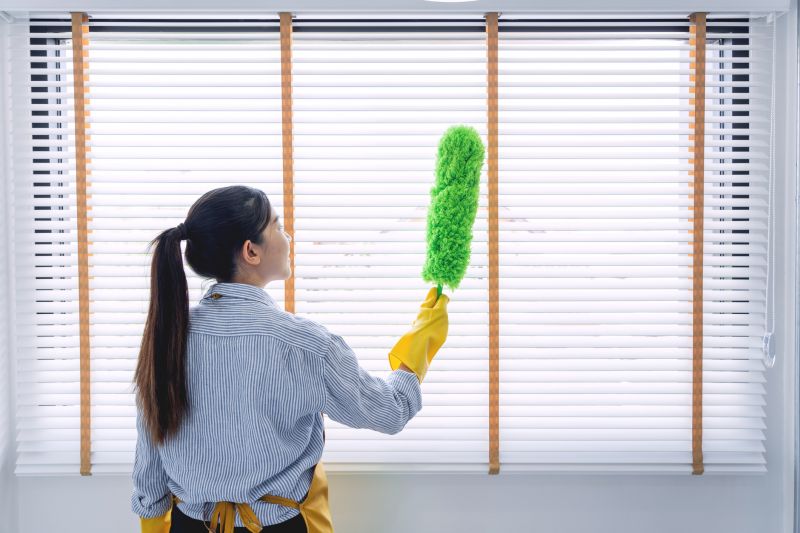
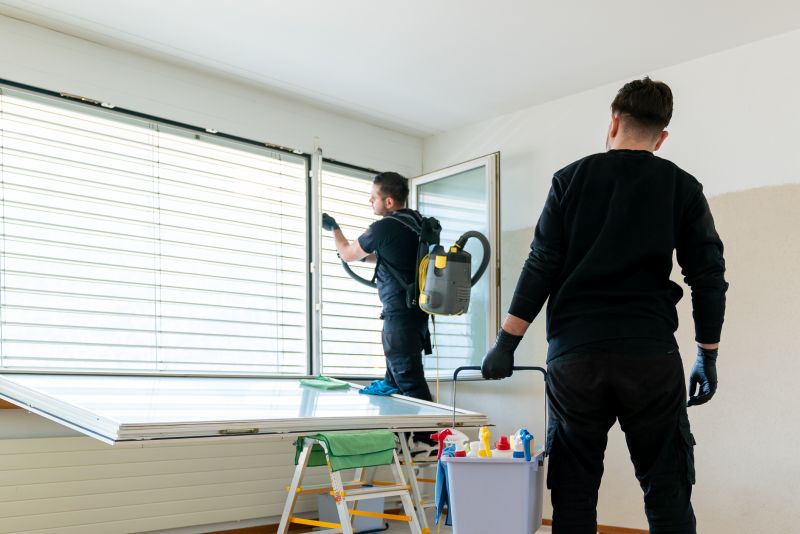
When people search for how dust and allergens build up in window treatments, they often want to understand why their window coverings may be contributing to indoor air quality issues. Over time, dust particles, pollen, pet dander, and other airborne allergens settle onto and into curtains, blinds, shades, and drapes. These particles can become embedded in fabric fibers or trapped in the tiny gaps and folds of certain window treatments. As a result, they can be difficult to see but may cause discomfort, especially for allergy sufferers or individuals with respiratory sensitivities. Recognizing how these particles accumulate helps homeowners identify potential sources of indoor allergens and consider cleaning strategies that improve air quality.
This topic is closely related to problems like persistent dust buildup, allergy symptoms, or respiratory irritation that don’t improve with regular cleaning of floors and furniture. Many property owners plan to refresh or deep clean their window treatments to reduce allergens and improve overall indoor comfort. It can also be part of larger plans to maintain a healthier living environment or prepare a home for allergy season. Whether dealing with a single room or multiple spaces, understanding how dust and allergens gather in window coverings informs the decision to seek professional cleaning services. Local contractors who specialize in window treatment cleaning can provide targeted solutions to remove these hidden particles effectively.
The types of properties where this issue commonly arises include homes with various window treatment styles, such as fabric curtains, vertical blinds, roller shades, or wooden shutters. Residential properties, especially those with pets or high pollen exposure, are often affected. Commercial spaces like offices, clinics, or hospitality venues also frequently encounter dust and allergen buildup in their window coverings due to high foot traffic and open layouts. Larger properties with multiple windows or older buildings where dust tends to accumulate more readily may require regular professional cleaning. Knowing the property type helps in choosing the right cleaning approach and ensures that local service providers can tailor their services to meet specific needs.
Professional window treatment cleaning services play a crucial role in maintaining a healthier indoor environment by removing accumulated dust and allergens. These local contractors use specialized equipment and techniques to thoroughly clean fabric, blinds, and shades, reaching areas that are difficult to access with DIY methods. Regular cleaning by experienced pros can help reduce allergy symptoms, improve air quality, and extend the lifespan of window treatments. For homeowners and property managers, connecting with local providers ensures that cleaning is performed efficiently and effectively, supporting ongoing efforts to create a cleaner, more comfortable living or working space. Proper maintenance of window treatments is an important part of overall indoor air quality management and can be seamlessly integrated into routine property care.
Air duct cleaning services involve removing dust and allergens from hidden spaces, similar to cleaning window treatments that accumulate airborne particles over time.
Upholstery and furniture cleaning services target dust and allergens embedded in fabrics, paralleling the buildup found in fabric window treatments and draperies.
HVAC filter replacement services focus on reducing airborne dust, which complements efforts to prevent buildup in window treatments that trap allergens from the air.
Carpet cleaning professionals specialize in removing dust and allergens from deep within carpets, akin to cleaning layered dust buildup on window treatment surfaces.
Vertical blind and shade cleaning services are directly related, as they involve removing dust and allergens from similar window treatment styles and materials.
Deep cleaning services for homes include comprehensive dust removal, which can help reduce allergen accumulation on various surfaces, including window treatments.
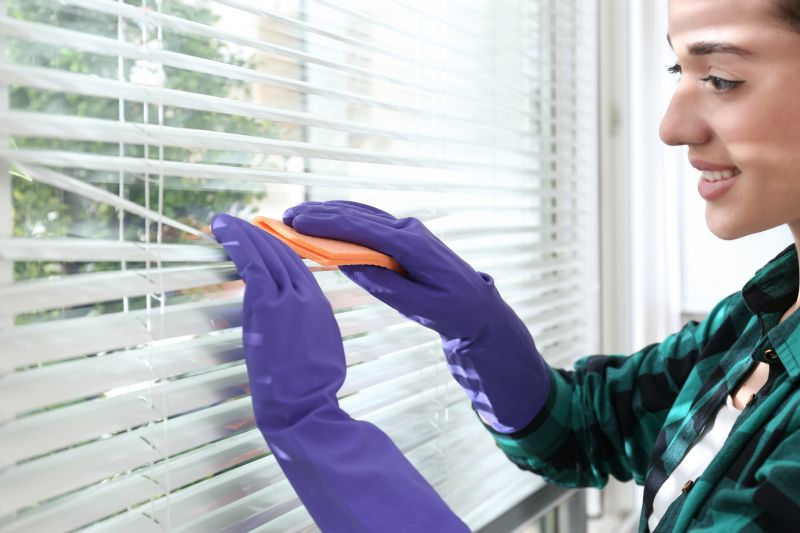
When comparing local contractors for dust and allergen window treatment cleaning, it is important to consider their experience with similar projects. A service provider who has handled a variety of window treatment types and levels of buildup will likely be better equipped to address specific concerns related to dust and allergens. Homeowners should inquire about the types of treatments the contractor has cleaned in the past and whether they have experience working with the particular window coverings in their home. This helps ensure that the contractor understands the nuances of different materials and can deliver effective cleaning results.
Clear written expectations are essential when choosing a service provider for window treatment cleaning. Homeowners should seek detailed information about the scope of work, including what cleaning methods will be used, what areas will be addressed, and any preparations needed before the service. Having this information in writing helps prevent misunderstandings and ensures that both parties are aligned on the process and the desired outcome. It also provides a reference point should questions or concerns arise during or after the cleaning.
Reputable references and good communication are key indicators of a reliable local contractor. Homeowners can ask for references from previous clients who had similar dust and allergen buildup issues, which provides insight into the quality of work and customer satisfaction. Additionally, a service provider who communicates clearly and promptly can make the entire process smoother, from scheduling to addressing questions or concerns. Choosing a contractor who demonstrates transparency and responsiveness can contribute to a more positive experience and confidence in the quality of the window treatment cleaning service.
Property owners often search for how dust and allergens build up in window treatments when they are planning practical projects around their homes and businesses. Local pros provide Dust and Allergen Window Treatment Cleaning services for everyday jobs and straightforward project options.


Dust and allergens tend to accumulate in window treatments over time due to everyday activities like opening and closing blinds or curtains, which stir up particles from the air. Factors such as household dust, pet dander, pollen, and even indoor pollutants can settle into fabric or hard surfaces of window coverings, making them a common source of allergens in the home. Property owners often notice increased allergy symptoms or respiratory discomfort and may seek out professional cleaning services to keep their living spaces healthier and more comfortable.
Many local contractors offer specialized dust and allergen window treatment cleaning services to address these concerns. Regular professional cleaning can help remove built-up dust, pollen, and other irritants, improving indoor air quality and reducing allergy triggers. Homeowners and property managers searching for effective ways to maintain cleaner, healthier window coverings often consider these services as a practical solution to manage dust buildup without the hassle of DIY cleaning.
How do dust and allergens accumulate in window treatments? Dust and allergens settle on window treatments through everyday air circulation, settling on surfaces over time. Factors like open windows, indoor air quality, and household activity can increase buildup, making regular cleaning important.
Why are window treatments prone to dust and allergen buildup? Window treatments often have textured surfaces or fabric materials that trap dust and allergens more easily than other surfaces, leading to accumulation if not cleaned regularly.
How can local contractors help remove dust and allergens from window treatments? Professional cleaning services can thoroughly clean and remove dust and allergens from various window treatments using specialized tools and techniques, improving indoor air quality.
What types of window treatments are most affected by dust and allergens? Fabric curtains, blinds, and shades with textured surfaces tend to trap more dust and allergens, requiring more frequent cleaning by experienced service providers.
How often should window treatments be cleaned to prevent dust and allergen buildup? Regular cleaning, typically every few months, can help prevent excessive dust and allergen accumulation; local pros can recommend a maintenance schedule based on specific needs.
Identify high-dust areas - property owners can assess which window treatments tend to collect the most dust and allergens, making it easier for local contractors to target cleaning efforts effectively.
Schedule regular cleanings - setting up routine cleaning sessions with local pros helps prevent dust and allergens from accumulating to problematic levels in window treatments.
Use appropriate cleaning methods - understanding how dust and allergens build up encourages property owners to choose cleaning techniques that effectively remove buildup, with guidance from local service providers.
Maintain surrounding environments - reducing dust sources nearby, such as pet dander or indoor pollutants, can minimize buildup in window treatments, with advice from local contractors on best practices.
If you are thinking about how dust and allergens build up in window treatments for a property, this guide is meant to help you understand this topic, the typical project types, and how different options might fit your plans.
When you are ready, you can use the quote form on this page to share a few details about your project. From there, local pros can review the basics and follow up with options that match what you have in mind.